The Evolution of Game Skins and Their Impact
In recent years, the concept of game skins has drastically transformed the landscape of the gaming industry. Initially perceived as mere aesthetic upgrades, skins have evolved to become crucial aspects of player identity, community engagement, and even economic exchanges within virtual environments.
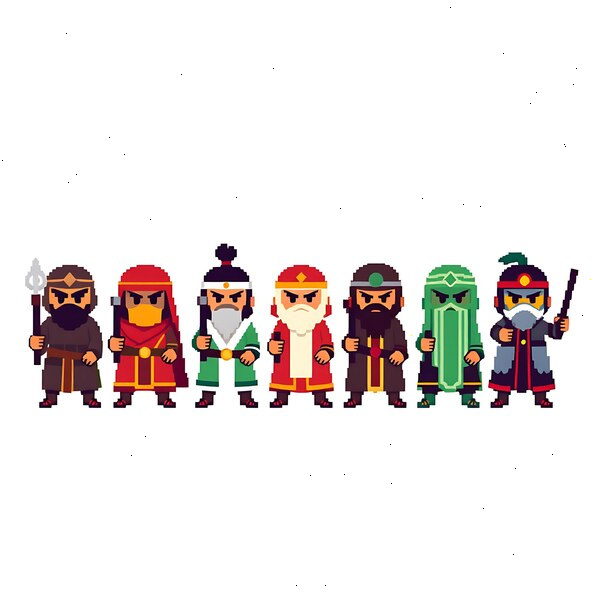
At their core, game skins are visual modifications to characters, weapons, or other in-game items, changing their appearance without affecting gameplay mechanics. The first significant use of skins can be traced back to the early 2000s with games like "Counter-Strike," where custom models were introduced, allowing players to personalize their gameplay experience. However, the modern era of game skins began to take shape with the rise of free-to-play games like "Team Fortress 2" and "League of Legends," which pioneered the monetization of cosmetic items, turning them into a lucrative business model.
In today's gaming world, skins hold significant cultural and economic value. They have become status symbols within gaming communities, representing achievements, rarity, or simply personal taste. For instance, acquiring a rare or limited edition skin can confer prestige upon a player, much like collecting rare items in the physical world. This has led to the proliferation of skins as collectibles, with some rare skins fetching thousands of dollars in online marketplaces.
The economic impact of skins is profound, as evidenced by games such as "Fortnite" and "CS:GO," where the sale and trading of skins have become integral components of the player economy. In "Fortnite," skins and other cosmetic items are the primary revenue source for Epic Games, despite the game itself being free to play. Similarly, "CS:GO" features an elaborate marketplace for skins, where players and collectors can buy, sell, and trade these digital assets, sometimes through third-party platforms.
Moreover, the rise of blockchain technology and non-fungible tokens (NFTs) has introduced a new dimension to skins, providing verifiable ownership and scarcity, which might further enhance their value and impact. This fusion of gaming and blockchain could revolutionize digital asset ownership, offering players the ability to own and trade skins across different games or even platforms.
Beyond the financial implications, skins have a profound impact on player engagement and community building. Personalized skins allow players to express their individuality, fostering a sense of belonging and identity within virtual environments. Game developers often engage their communities through the design and release of new skins, encouraging participation and discussion among players. This not only enhances player loyalty but also keeps the game ecosystem vibrant and dynamic.
Skins also play a critical role in game marketing and collaboration efforts. Collaborative skins, featuring designs tied to popular culture, movies, or music, serve as powerful marketing tools. They create synergy between gaming and other entertainment sectors, attracting new audiences and expanding the cultural footprint of the gaming industry.
Despite their positive contributions, game skins are not without controversy. Concerns over gambling mechanics, particularly in games with skin trading and loot boxes, have sparked debates over ethical practices in game monetization. These discussions underscore the need for regulation and transparency, ensuring that the allure of skins does not exploit players, particularly younger audiences.
In conclusion, the evolution of game skins from simple aesthetic modifications to influential assets reflects the dynamic nature of the gaming industry. As skins continue to shape player experiences, economic models, and community interactions, they highlight the growing convergence of gaming with culture, economy, and technology. Moving forward, the challenge will be to balance innovation with responsibility, ensuring that the impact of skins remains a positive force in the digital age.